
Pet Cancer Education & Resources
Empowering Pet Owners with Knowledge & Support.
Learn more
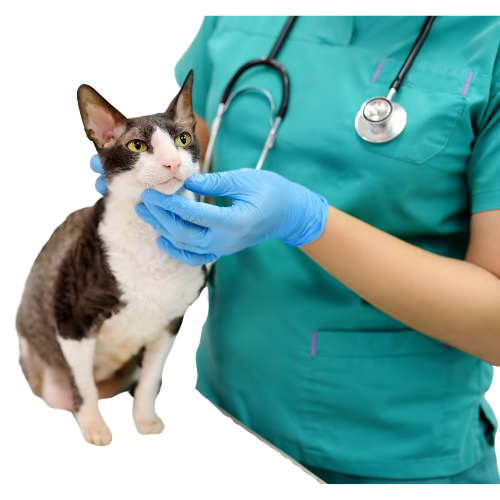


Understanding Pet Cancer
Cancer occurs when cells in your pet’s body grow uncontrollably and form tumors or invade healthy tissues. While a cancer diagnosis can feel scary, many types of pet cancer are treatable — especially when caught early.
At PPCCA Clinics, we believe knowledge is one of the most powerful tools pet parents can have. Understanding the basics helps you make informed decisions and advocate effectively for your pet.
Key Facts About Pet Cancer
Cancer is one of the leading causes of death in dogs and cats over the age of 10.
Early detection significantly improves treatment success and quality of life.
Many pets respond well to modern treatments and can enjoy good quality time with their families.
Just like in humans, there are many different types of cancer, each with its own behavior and treatment options.
Common Cancers in Dogs
Lymphoma – Cancer of the lymph nodes and immune system (very common)
Mast Cell Tumors – Skin tumors, often appear as lumps
Osteosarcoma – Bone cancer, most common in large breed dogs
Hemangiosarcoma – Aggressive cancer of the blood vessels (often affects spleen or heart)
Mammary (Breast) Cancer – More common in unspayed females
Soft Tissue Sarcomas – Tumors in connective tissue
Common Cancers in Cats
Lymphoma – Especially in the gastrointestinal tract (most common overall)
Squamous Cell Carcinoma – Often affects the mouth or skin
Mammary Cancer – Very aggressive in cats
Fibrosarcoma – Soft tissue tumors, sometimes linked to injections
Leukemia – Cancer of the blood and bone marrow
Pancreatic Cancer

Why Early Action Matters
The sooner cancer is identified, the more options we have. Our “first-stop” approach allows us to begin diagnostics and treatment quickly, often without the delays of multiple referrals.
Explore Early Warning Signs below.
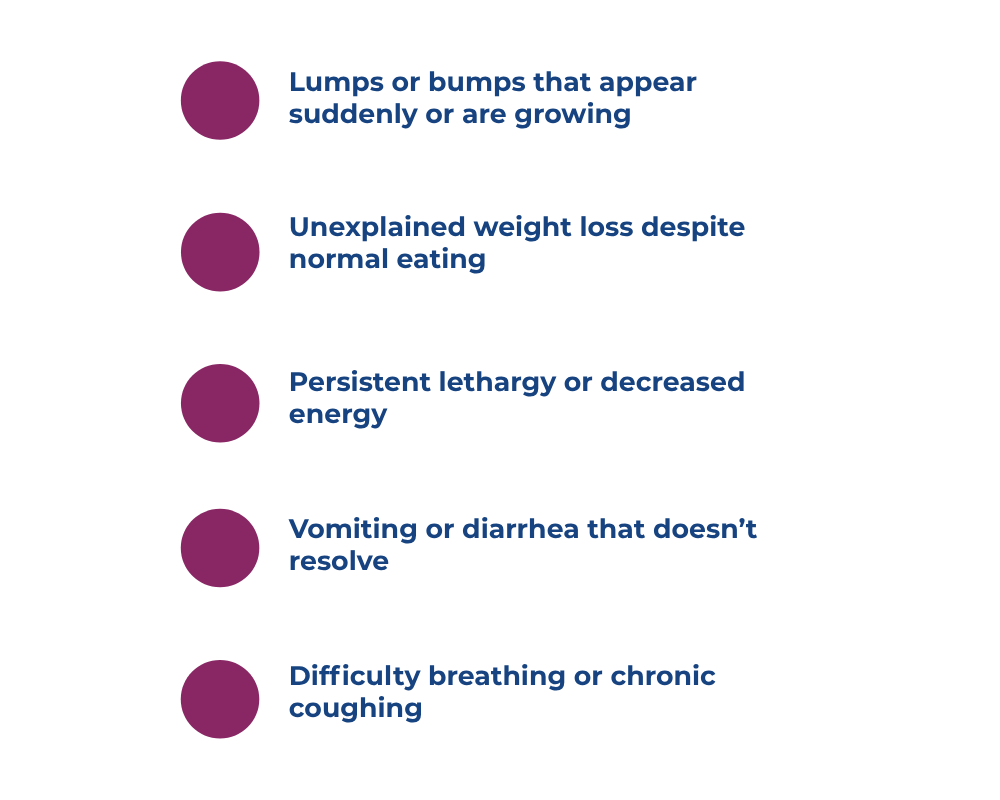
Early Warning Signs of Cancer in Pets
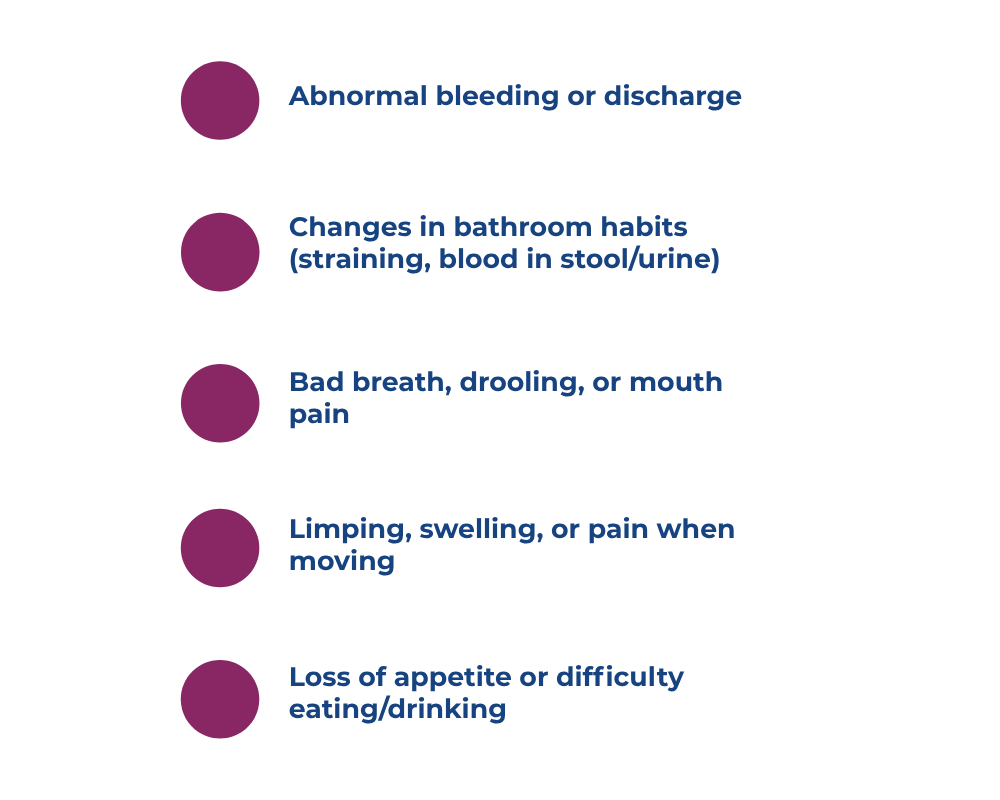

What To Do if You Notice Any Early Signs
If your pet shows any of the early warning signs above, don’t wait. Early detection can greatly improve treatment options and outcomes.
Contact us promptly if you notice:
Any new lumps or swelling
Sudden changes in appetite, weight, or energy
Breathing difficulties or persistent coughing
Vomiting, diarrhea, or changes in bathroom habits that last more than 24–48 hours
At PPCCA Clinics, we prioritize rapid evaluation for suspected cancer cases. Call us at (480) 341-3690 — no referral is required.
Early action matters. Many pets go on to enjoy good quality of life with timely care.